

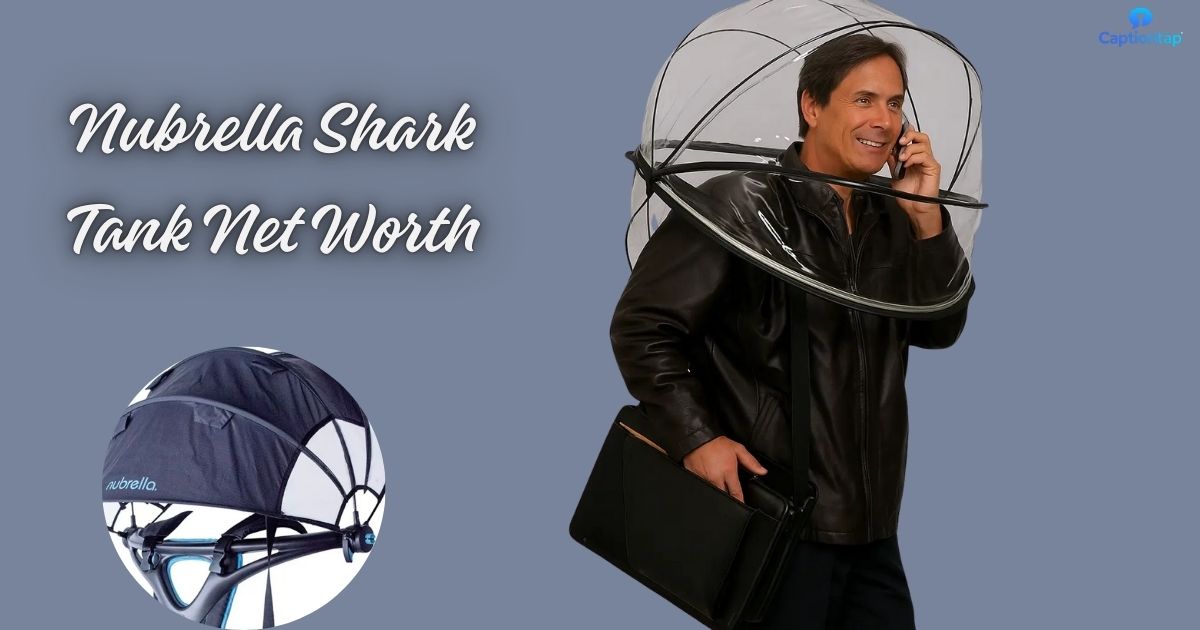
Nubrella Shark Tank, Rainy days in busy cities often leave people struggling with broken umbrellas, wet bags, and soaked clothing. Alan Kaufman noticed this recurring problem and envisioned a solution that would let people stay dry without holding an umbrella. His invention, Nubrella, is a hands-free, wearable umbrella that protects the head and shoulders while keeping both hands free for daily activities. The innovative design immediately stood out for its practicality and unique approach to weather protection.
Nubrella gained public attention through a Shark Tank appearance in 2010, showcasing its potential to change how people think about staying dry. Over time, the focus shifted from mass production to patent protection, brand value, and licensing opportunities, Nubrella Shark Tank net worth of $1–2 million in 2025. The story of Nubrella shows that creativity and problem-solving can leave a lasting impact, even without becoming a mainstream commercial hit. Innovation, after all, is as much about ideas as it is about sales.
Nubrella Shark Tank Net Worth in 2025
Most people assume that a Shark Tank success story involves millions of dollars in sales and product warehouses overflowing with inventory. Nubrella defies that expectation. As of 2025,Nubrella Shark Tank net worth is between $1 million and $2 million, derived almost entirely from intellectual property assets. Despite no active manufacturing or retail operations, Nubrella retains financial relevance through patents, trademarks, and licensing rights.
Patents play a critical role in the valuation, covering the design, construction, and manufacturing methods of the wearable umbrella. This legal protection ensures that other companies cannot replicate the invention without permission, providing both a defensive and revenue-generating asset. Licensing potential alone could bring in significant income if the technology is adopted by other manufacturers.
Kaufman’s foresight in protecting the brand legally before expanding production is a lesson for all innovators. Many Shark Tank products vanish once manufacturing stops, but Nubrella demonstrates that innovation combined with legal safeguards can sustain a business’s financial and cultural relevance long after physical sales have ceased.
What Is Nubrella?
Nubrella is a hands-free umbrella designed to address the shortcomings of traditional umbrellas. Unlike the typical umbrella that flips inside out during gusty winds and restricts movement, Nubrella features a transparent dome resting on the shoulders. This allows users to keep both hands free while walking, cycling, or carrying objects, providing full 360-degree rain protection without obstruction.
The wearable canopy design uses a lightweight harness and polycarbonate shell to maintain balance and stability. It folds back easily when not in use, preventing inconvenience while offering superior protection against both rain and sunlight. Its practicality outweighs initial concerns about appearance, making it especially useful in urban environments where mobility is critical.
By rethinking a centuries-old object, Nubrella challenges conventional design. It transforms an everyday necessity into a functional and innovative tool, highlighting how simple observation and creative engineering can solve long-standing problems in daily life.
The Idea Behind Nubrella
Kaufman’s inspiration came directly from his work managing multiple retail stores in Manhattan. On rainy days, he saw countless customers struggling with broken umbrellas, wet electronics, and grocery bags. These repeated observations sparked the realization that traditional umbrellas were not meeting modern needs.
The concept of a wearable, hands-free umbrella emerged from this retail insight. Kaufman understood that consumers needed a solution that provided mobility, comfort, and reliability. He combined practicality with innovation, imagining a design that allowed freedom of movement while keeping the user completely dry.
This approach illustrates a core principle of entrepreneurship: innovation often arises from direct observation of real-world problems. By identifying a persistent inconvenience and daring to rethink a centuries-old design, Kaufman created a product that addressed an overlooked market need.
How Nubrella Works
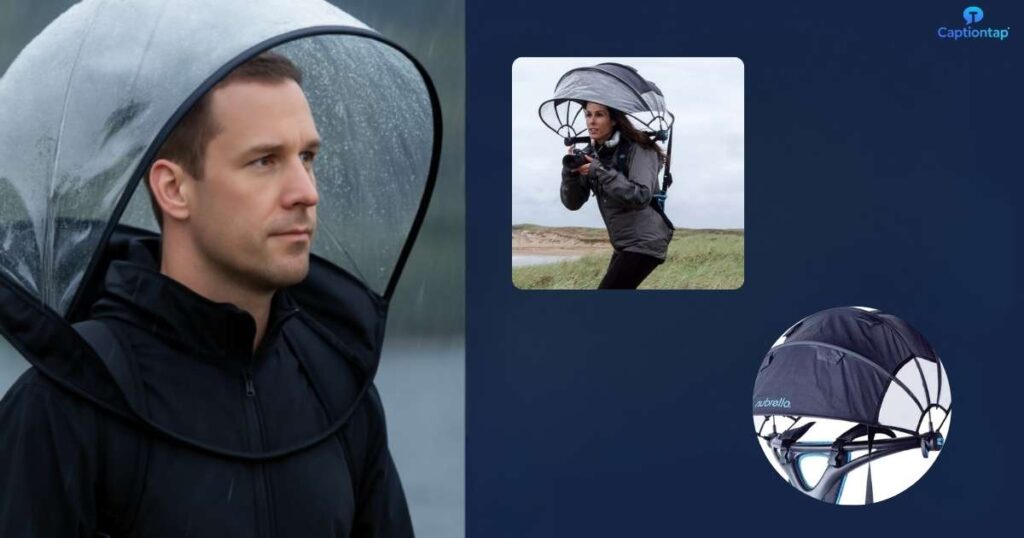
Nubrella Shark Tank, The Nubrella rests comfortably on the user’s shoulders, distributing weight evenly to allow prolonged use without fatigue. Its transparent canopy ensures clear visibility while protecting against rain, wind, and sunlight. The frame is engineered to resist inversion during strong gusts, solving the most common problems with traditional umbrellas.
When the rain stops, the canopy collapses smoothly against the shoulders, making it easy to store and carry. The design is fully patented, covering both structure and manufacturing techniques, ensuring competitors cannot copy the technology.
The hands-free system allows full mobility, whether walking, cycling, or pushing a stroller. By combining material innovation, engineering, and legal protection, Nubrella maintains both functionality and long-term brand value.
Also Read: Bobby Brown Net Worth: Career, Music & Personal Life
From Shark Tank to the World Stage
Kaufman appeared on Shark Tank in 2010 seeking $200,000 in exchange for equity. Daymond John and Kevin Harrington offered a joint partnership, requesting a majority stake. Although Kaufman initially accepted, post-show negotiations ultimately collapsed due to pricing and distribution disagreements.
Despite the deal falling through, national exposure proved transformative. Thousands of units sold in the following months, and media attention from outlets like Ellen DeGeneres and CNN sparked interest from international distributors. This highlights how visibility can sometimes substitute for direct investment in business growth.
The experience demonstrates that media exposure can create momentum even when formal deals fail. Kaufman leveraged this attention to refine his product and expand sales internationally, setting the stage for future licensing opportunities.
Nubrella’s Evolution Over Time
Following its launch, Nubrella underwent several design improvements. Later versions became lighter and more ergonomic, while marketing expanded to highlight sun protection in addition to rain coverage. In 2020, the brand rebranded as Canope to emphasize broader wearable weather protection.
Retail sales eventually slowed due to high manufacturing costs and consumer adoption challenges. Kaufman shifted focus to licensing, protecting patents, and preserving brand value. This pivot underscores the importance of intellectual property in maintaining long-term valuation.
By strategically leveraging patents rather than production, Nubrella retained market relevance without operational burdens. Licensing opened doors for future revenue streams, demonstrating a sustainable path for idea-driven businesses.
Also Read: Naya Rivera Net Worth: Career, Biography & Life Achievements
Nubrella’s Market Impact
Though Nubrella never reached the fame of global household brands, it influenced the outdoor gear and wearable tech industries significantly. Its hands-free design inspired innovation in protective equipment, portable shade devices, and even drone canopy concepts.
The product exemplifies how one individual can drive change in an established market. By reimagining a centuries-old product, Kaufman showed that creativity and determination can leave a lasting imprint on industry trends.
Nubrella’s legacy emphasizes that influence is not always tied to sales volume. The product proved that cultural and technological impact can be as important as revenue, inspiring inventors and designers worldwide.
Personal Life of Alan Kaufman
Alan Kaufman preferred privacy, keeping the spotlight on his invention rather than himself. Before Nubrella, he successfully managed multiple retail stores, gaining direct insight into consumer needs that later informed his product design.
Unlike today’s entrepreneur-celebrities, Kaufman prioritized problem-solving over personal branding. He believed in creating functional, innovative products rather than cultivating a public persona.
His unexpected death in November 2022 ended active operations, but the Nubrella intellectual property remains protected. Future entrepreneurs or licensing partners could revive the brand, leveraging its patented technology and established market recognition.
| Personal Detail | Information |
|---|---|
| Full Name | Alan Kaufman |
| Age at Passing | Early 60s |
| Marital Status | Not publicly disclosed |
| Children | No verified information |
| Previous Career | Retail store owner and manager |
| Residences | Lived in New York and Florida |
| Date of Death | November 2022 |
Early Life and Nubrella Highlights
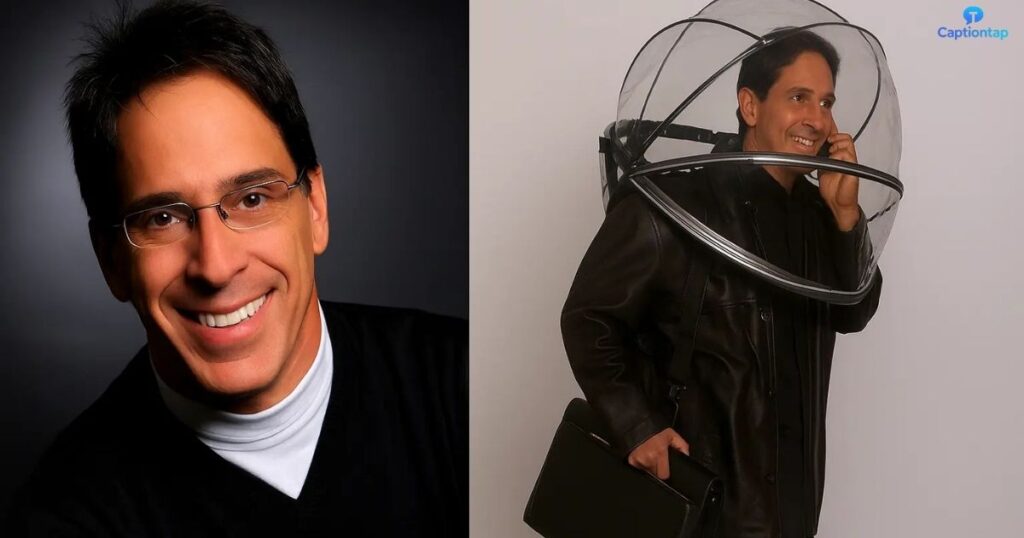
Kaufman’s creative process began with observation. Watching everyday consumer struggles provided insights that directly led to Nubrella’s invention. He personally invested over $900,000, covering prototypes, testing, patents, and marketing—a significant personal risk reflecting his commitment to innovation.
Early sales were primarily through word-of-mouth, reaching 13,000 units in 86 countries. Feedback from users and media coverage helped refine the design, turning a niche product into a recognized innovation in urban mobility solutions.
These early milestones highlight the importance of direct investment, observation, and adaptation in entrepreneurial success. Kaufman’s approach combined creativity, risk-taking, and meticulous attention to user needs.
Key Milestones
- Successfully operated several Cingular Wireless retail locations, gaining valuable customer insights.
- Invested approximately $900,000 of his own savings to fund product design, prototyping, and development.
- Achieved initial sales of around 13,000 units, reaching customers in more than 80 countries worldwide.
- Featured on Shark Tank Season 1 in 2010, showcasing the innovative hands-free umbrella to a national audience.
- By 2021, Nubrella’s revenue reached an estimated $1 million, highlighting the product’s global market potential.
From Retail to Rain Gear
Working in Cingular Wireless stores gave Kaufman firsthand insight into the struggles of everyday customers. He constantly observed people entering soaked from the rain, juggling their phones, bags, and broken umbrellas. These repeated encounters highlighted a persistent problem, sparking the idea for a practical solution. The concept for a wearable, hands-free umbrella grew directly out of these real-world observations.
Kaufman realized that conventional umbrella designs hadn’t changed much for centuries, leaving a clear opportunity for innovation. Drawing on his retail experience, he focused on creating a product that genuinely met customer needs, ensuring every design decision was guided by practicality and usability.
To bring his vision to life, Kaufman invested nearly one million dollars of his own money. This bold personal commitment underscored his belief in the idea and laid the foundation for the brand’s current value. The hands-free umbrella was not just a product it represented years of dedication, problem-solving, and thoughtful development.
Version 1 Launch and Media Storm
The product quickly gained traction among urban cyclists, delivery workers, and commuters. While some criticized the unique design, users praised its practicality and hands-free convenience. National media coverage, including Good Morning America and Ellen, drove awareness and expanded its reach internationally.
Sales of 13,000 units in multiple countries demonstrated the concept’s appeal despite unconventional aesthetics. Early adoption by niche markets proved the hands-free system’s utility, validating Kaufman’s inventive approach.
The media exposure and product visibility created opportunities for global licensing and collaborations, even as retail growth faced operational constraints.
Challenges and Slowdown
Despite initial success, high manufacturing costs and consumer hesitation slowed retail expansion. Shoulder-mounted designs were unfamiliar to mainstream users, creating adoption barriers. Distribution and supply chain challenges further limited growth.
By the mid-2010s, direct sales declined, prompting Kaufman to pivot toward licensing and intellectual property management. This strategic move preserved the product’s long-term value without ongoing operational costs.
The shift illustrates the importance of patents and strategic planning in maintaining brand relevance, demonstrating that ideas can continue generating value even when production ceases.
Future Plans and Goals
Licensing offers potential for partnerships with major outdoor gear manufacturers and wearable tech companies. Co-branded products, jackets, or hybrid designs could bring the hands-free concept to new markets. Innovation opportunities remain untapped, with possibilities for drone umbrellas, modular canopy designs, or collaboration with urban mobility brands.
The intellectual property itself represents significant latent value. By leveraging the brand strategically, future entrepreneurs could expand Nubrella’s influence while generating revenue without the need for active production.
Future Business Opportunities:
- Offer licensing deals for the patented hands-free umbrella design to leading outdoor gear manufacturers.
- Collaborate with wearable technology companies to create updated, modern versions of the product.
- Introduce new product lines inspired by hands-free weather protection, such as portable canopies or hybrid gear.
- Develop co-branded umbrellas in partnership with established weather gear brands to reach wider markets.
- Explore innovative concepts, like integrating drone technology with umbrella designs for unique applications.
Nubrella Shark Tank Update
The original Nubrella Shark Tankdeal collapsed, leaving Kaufman to continue independently. Legal disputes, including a 2016 lawsuit against Sony Pictures, were resolved with minimal settlements.
The Canope rebrand in 2020 extended online sales, reaching $1 million in revenue by 2021. Kaufman’s death in 2022 closed active operations, but the patents and brand assets remain valuable for potential licensing.
The story demonstrates that even without finalized investment deals, intellectual property, brand recognition, and media exposure can sustain a product’s relevance for years.
FAQ’s
What is Nubrella Shark Tank net worth in 2025?
Nubrella Shark Tank net worth $1–2 million, primarily through patents and brand assets.
Did the Shark Tank deal happen?
No, post-filming negotiations fell through.
How much did Kaufman invest personally?
Over $900,000 for development, patents, and marketing.
Is Nubrella selling today?
No, sales ended after Kaufman’s passing in 2022.
What made Nubrella unique?
Hands-free design, wind resistance, 360-degree coverage, and transparent visibility solved issues with traditional umbrellas.
Conclusion
Nubrella Shark Tank exemplifies how innovation and intellectual property can maintain value even without mass-market success. Alan Kaufman’s dedication, foresight, and problem-solving approach ensured that the brand stayed relevant and valuable despite production being halted.
The Nubrella Shark Tank story teaches a timeless lesson: creativity, patents, and strategic thinking can leave a lasting impact. Future licensing deals and potential collaborations could revive the brand, emphasizing the lasting influence of a single inventive idea.

David Ford is a content strategist and lead author at CaptionTap, where he leverages his writing expertise to craft engaging captions, social media bios, and inspirational text that helps users express personality and connect with their audience. With deep experience in digital content trends and audience engagement, David writes with clarity, creativity, and practical insight to make every caption meaningful, memorable, and share‑ready.