

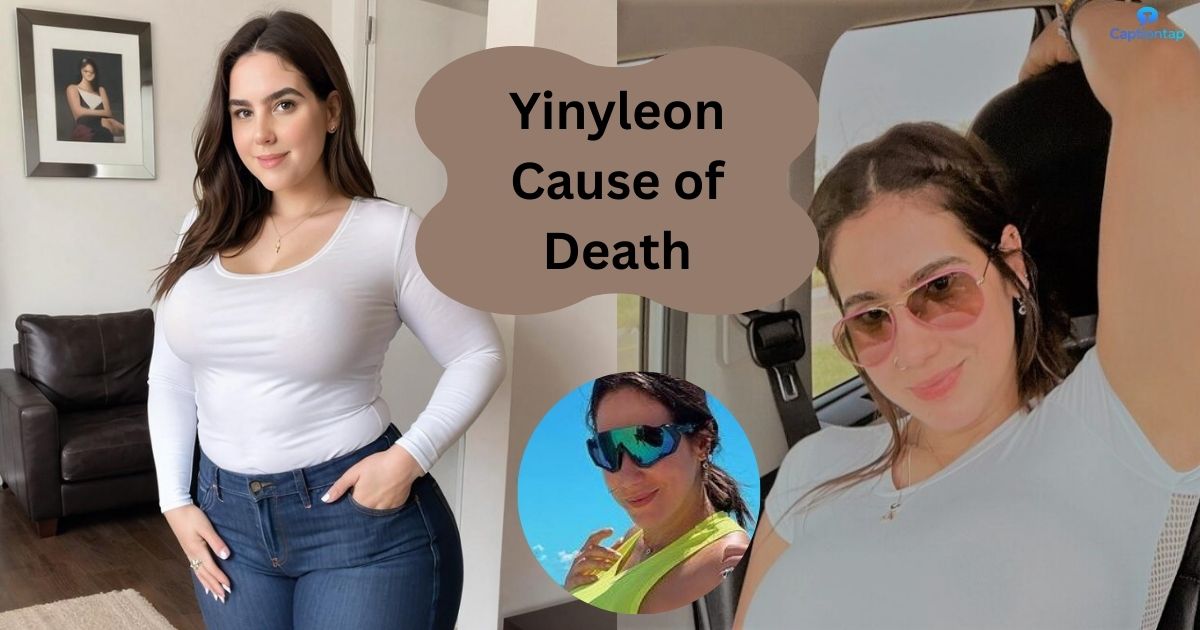
Overnight, social media was flooded with rumors claiming that Yinyleon had passed away. Millions of fans scrambled to search “Yinyleon cause of death,” hoping for answers, as panic and confusion spread rapidly across platforms. This false information highlights the serious dangers of digital misinformation in today’s online world. Fake celebrity death reports not only erode trust but can also cause real emotional and psychological distress. This guide examines each false claim and separates fact from fiction.
Despite the persistent rumors, Yinyleon is alive and well in 2025. Verified statements from official sources confirm her health and ongoing activities. Understanding how misinformation spreads is key to debunking false claims effectively. Online hoaxes often manipulate emotions to gain attention, but by analyzing the psychology behind these rumors, audiences can protect themselves from being misled. This detailed review will uncover the truth and help fans navigate viral falsehoods safely.
Despite the persistent rumors, Yinyleon is alive and well in 2025. Verified statements from official sources confirm her health and ongoing activities. Understanding how misinformation spreads is key to debunking false claims effectively. Online hoaxes often manipulate emotions to gain attention, but by analyzing the psychology behind these rumors, audiences can protect themselves from being misled. This detailed review will uncover the truth and help fans navigate viral falsehoods safely.
The Viral Death Hoax: Understanding the Yinyleon Rumors
The false reports about Yinyleon’s death began spreading through coordinated posts on multiple social media platforms. Overnight, TikTok, Instagram, and Twitter were flooded with alarming content claiming insider knowledge about her passing. No verified sources supported any of these statements.
Many posts included fabricated screenshots designed to look official, which made them appear credible to viewers. Emotional appeals encouraged users to share content quickly, often before questioning its authenticity. Social media algorithms amplified these sensational stories, pushing them to millions within hours.
On TikTok, misinformation spread at a pace six times faster than efforts to correct it. Users often shared content without verifying facts, reacting emotionally rather than logically. The speed and scale of the spread caught even experienced analysts of digital misinformation by surprise.
Panic swept through Yinyleon’s fanbase as fake reports multiplied. Each share reached more users eager for updates, while the actual truth remained buried beneath sensationalized posts. The systems in place to verify online information simply couldn’t keep up with the rapid circulation of the hoax.
Breaking Down the False Yinyleon Death Claims
Multiple, conflicting stories circulated at the same time. Some claimed she died of terminal cancer, while others described invented car accidents with detailed, but entirely fabricated, circumstances. Each version contradicted the previous one, yet many people accepted these stories without skepticism.
Such inconsistencies highlight the need for critical thinking. Legitimate journalism relies on verified facts and consistency across sources, but these hoaxes continually shifted details.
Patterns of fake celebrity news were evident: anonymous accounts claimed “exclusive” updates without credentials, prioritizing engagement and profit over accuracy. Recognizing warning signs such as missing verification, emotional language, or contradictory details can help audiences spot misinformation before spreading it further.
Common False Claims
| Claim Type | Primary Platform | Verification Status | Emotional Hook |
|---|---|---|---|
| Fake cancer story | Instagram/TikTok | Entirely fabricated | Sympathy manipulation |
| Car Accident | Twitter/X | Zero evidence | Tragedy exploitation |
| Health Crisis | Unverified | Fear inducement | |
| Sudden Illness | YouTube | Maliciously created | Shock appeal |
The Cancer Death Rumors
Among all the false stories, the cancer narrative gained the most traction. Posts described an extended, fictional battle with a terminal illness and included made-up medical details and timelines. No legitimate medical records exist to support these claims.
These posts leveraged emotional manipulation, as audiences naturally empathize with people battling serious illnesses. Many creators intentionally used these fabricated stories to attract clicks and generate revenue.
Legal protections around medical privacy ensure that authentic health information cannot be shared publicly without consent. The lack of official statements or confirmation should have signaled the story’s falsehood. However, in the absence of reliable news, speculation spread rapidly.
Because cancer is a common disease, these rumors appeared plausible and gained rapid circulation through sympathetic sharing. Careful verification of celebrity health news could have prevented the widespread belief in these fabricated stories.
Also Read: Aaron Hernandez Net Worth: Career, Biography & Life Overview
TikTok Death Hoax
TikTok became a central hub for the rumors. Videos claiming to confirm Yinyleon’s death were paired with dramatic music, edited footage, and misleading captions. Many creators reused old clips to make the content appear real, and algorithmic engagement boosted these videos to millions of viewers.
The platform’s system prioritizes engagement over accuracy, allowing false content to spread faster than corrections. Many creators admitted their motivation was viral attention, without considering the emotional harm caused to fans. By the time clarifications emerged, millions had already consumed and believed the hoax.
These incidents highlight accountability gaps on social media platforms. Fake screenshots, manipulated videos, and deceptive posts circulated widely, demonstrating how misinformation can thrive when verification mechanisms fail.
The Truth About Yinyleon in 2025
Verified sources confirm that Yinyleon is alive and actively engaged in her work in 2025. Her official accounts consistently show daily activity, while her social media presence demonstrates ongoing health and well-being. All projects continue on schedule, with content releases and professional commitments proceeding without interruption. This clearly disproves any circulating rumors about her death.
Yinyleon has directly addressed false claims through official channels, leaving no room for ambiguity regarding her status. Legal teams have investigated and acted against those spreading malicious hoaxes, highlighting the seriousness of misinformation online. Fact-checking and verification ultimately clarified the truth for fans, proving that persistence and patience can counter viral falsehoods.
Why Death Rumors Spread?
Understanding why false death claims circulate helps prevent similar situations in the future. Several factors contributed to the rapid spread of these rumors: attention-seeking behavior from content creators, emotional manipulation that exploits human psychology, and social media algorithms that amplify shocking posts without verification. In addition, low media literacy and the pursuit of profit over ethics made audiences more vulnerable to misinformation.
Celebrity death hoaxes often follow predictable patterns. False reports usually appear first on obscure accounts, gain traction through rapid sharing, and eventually reach mainstream attention. Recognizing these patterns allows fans to detect and debunk false claims more effectively. Examining the psychology of viral misinformation, including confirmation bias and the appeal of sensational content, helps audiences develop critical thinking skills to navigate online information responsibly.
Key Facters Behind the Rumors
False death claims often originate from individuals seeking attention or viral fame. Clickbait tactics prioritize shock value and engagement over truth, while social media algorithms amplify sensational content without verifying facts. Audiences with limited media literacy are particularly vulnerable, making it easier for these hoaxes to spread rapidly.
How Celebrity Death Hoaxes Unfold
Celebrity death rumors tend to follow similar patterns. Unverified claims usually appear on small or obscure accounts, then spread quickly through shares across multiple platforms. Mainstream media attention often follows, and debunking happens only after widespread circulation. High-profile figures with large followings are especially susceptible because their fame guarantees rapid propagation of false narratives. Recognizing these patterns helps fans identify potential hoaxes early.
Consequences of Fake Yinyleon Death Reports
The effects of such misinformation go far beyond initial confusion. Fans may experience genuine grief, distress, or anxiety over news that is entirely fabricated. Trust in online information erodes, and public skepticism toward legitimate sources grows, which can have broader social consequences.
Celebrity reputations also suffer. False stories persist in search results and online archives, potentially harming professional opportunities and requiring significant effort to correct. Families and communities connected to the celebrity may face emotional stress as well. Overall, digital hoaxes create widespread ripple effects, impacting both mental health and the credibility of information ecosystems.
Emotional Impact on Fans
False death reports can cause genuine psychological stress for followers. Fans may experience grief, anxiety, or confusion over news that is completely untrue. This emotional turmoil can affect mental well-being significantly, and some individuals may struggle with ongoing anxiety after exposure to such hoaxes.
Harm to Reputation
Celebrity reputations can suffer long-term damage from false rumors. Search engines and online archives often retain these fabricated stories, which can negatively affect professional opportunities. In some cases, reputational harm may be lasting, even after corrections are made.
Mental Health Consequences
Both the celebrity and their fans may face serious mental health challenges. Continuous monitoring of false news can create intense pressure, increasing anxiety with each new rumor. In severe cases, professional counseling or therapeutic support may become necessary.
Spread of Misinformation
Every hoax that circulates makes it easier for future false claims to spread. Over time, audiences become desensitized to shocking or sensational content, making it harder to differentiate fact from fiction. This proliferation gradually undermines the reliability of the entire information ecosystem
Debunking Yinyleon Death Claims
Addressing each false claim individually is essential to restoring the truth. Using evidence-based verification and clear documentation helps fans understand the reality. Thorough debunking ensures accurate information circulates and reduces confusion caused by fabricated narratives.
Claim #1: Yinyleon Died of Cancer
Reality: This claim is entirely false. There is no medical evidence or documentation to support any cancer diagnosis. Official statements confirm that Yinyleon is healthy and active throughout 2025. This rumor was created solely to generate clicks and engagement.
Claim #2: Tragic Accident
Reality: No credible evidence exists to suggest any accident occurred. Police and news records show zero reports of such an incident. This story was fabricated without any factual basis.
Claim #3: Health Complications
Reality: Yinyleon remains fully active and publicly engaged in 2025. All claims about serious health problems are completely baseless and false. She continues her work and public appearances without interruption.
Claim #4: TikTok Death Rumor
Reality: Some videos circulating online were manipulated to create the false impression of Yinyleon’s death. Captions and edits were misleading, and the original sources do not support these claims. This misinformation was designed purely to attract viral attention.
FAQ’s
Is Yinyleon dead?
No, Yinyleon is alive and active in 2025. All rumors about her death are completely false.
Did Yinyleon die from cancer?
No, there is no medical evidence or documentation supporting any cancer claim. This rumor is entirely fabricated.
Has Yinyleon been in a serious accident?
No, there are no official reports or credible evidence of any accident involving Yinyleon.
Are Yinyleon’s health complications true?
No, Yinyleon remains healthy and continues her work without interruption. All health-related rumors are false.
Why did these death rumors spread online?
False claims were spread by attention-seeking creators and amplified by social media algorithms. Lack of media literacy also contributed to their rapid circulation.
Conclusion
Yinyleon’s ongoing activity in 2025 confirms that all death rumors about her are entirely false. Despite widespread hoaxes claiming cancer, accidents, or health complications, she continues her professional work without interruption. Her consistent social media presence, new content releases, and public engagements clearly show that she remains healthy and active. These fabricated stories were created for viral attention and have no factual basis.
The spread of such misinformation highlights the importance of media literacy and critical thinking. Fans and the public must verify news from reliable sources before believing or sharing it. By recognizing the patterns of celebrity hoaxes and understanding how false content circulates online, audiences can protect themselves from unnecessary worry and distress. Yinyleon’s situation serves as a strong reminder of the power of truth over rumors and the need for responsible online behavior.

David Ford is a content strategist and lead author at CaptionTap, where he leverages his writing expertise to craft engaging captions, social media bios, and inspirational text that helps users express personality and connect with their audience. With deep experience in digital content trends and audience engagement, David writes with clarity, creativity, and practical insight to make every caption meaningful, memorable, and share‑ready.